Torino Artscape is Artissima’s column highlighting current exhibitions in the city’s leading contemporary art institutions: a regular feature offering a glimpse into the most compelling exhibition programs, curatorial visions, and artistic expressions that animate Turin’s contemporary art scene. Torino Artscape invites you to explore Turin as an essential destination for art lovers, offering inspiration and cultural enrichment throughout the year.
This new episode is dedicated to CAMERA – Centro Italiano per la Fotografia di Torino.
Edward Weston. La materia delle forme

Up to 2.06.2026
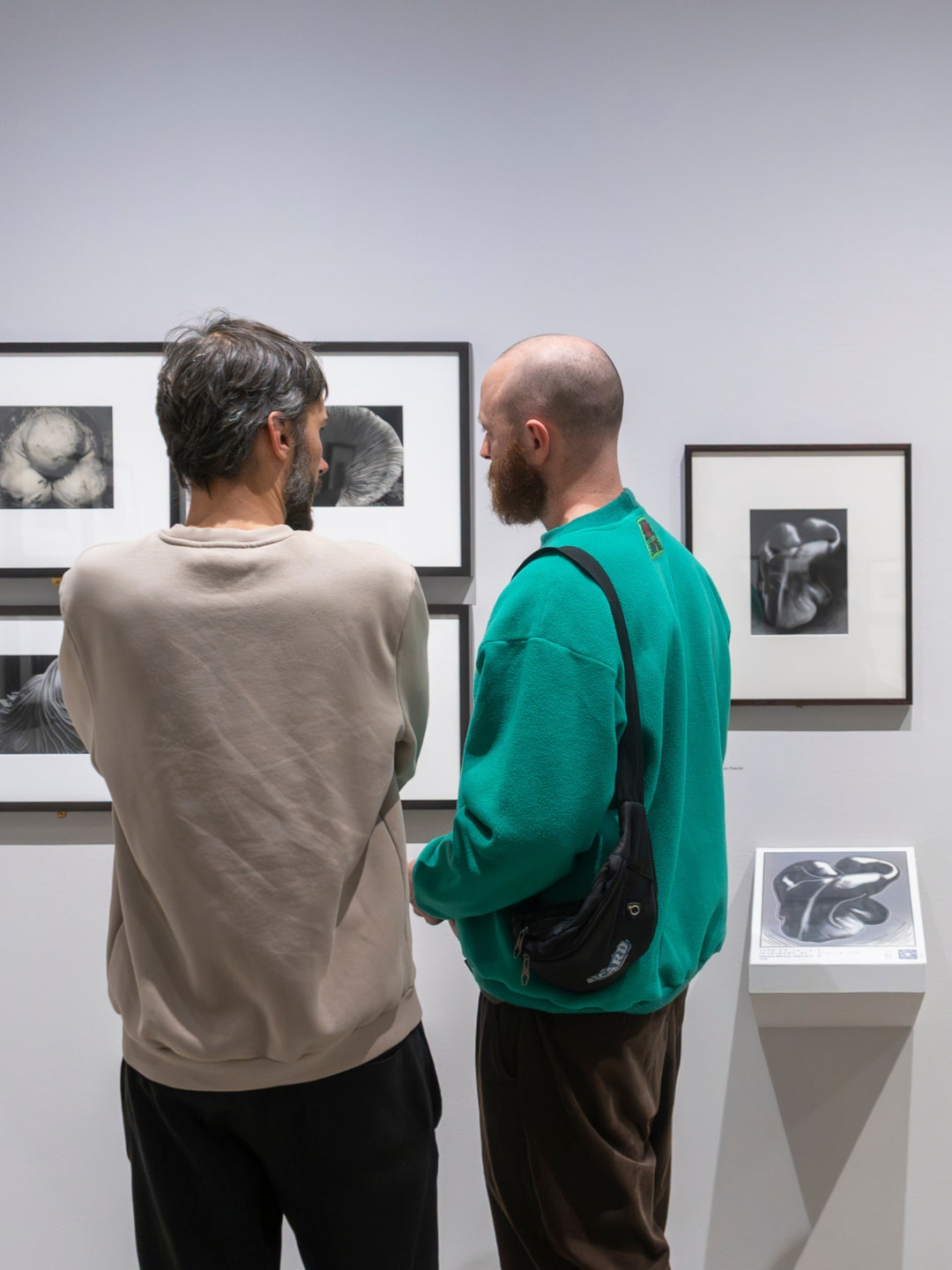
A soft curve crosses the image like a boundary line between what is recognisable and what progressively slips away from its original form. The smooth surface of a pepper, shaped by light into deep, velvety folds, acquires a bodily, almost sculptural quality. Edward Weston photographs it by isolating it from the world, tightening the frame until it becomes an ambiguous and magnetic presence, suspended between abstraction and matter. Photography thus ceases to be a simple record of reality and becomes an exercise in intensifying vision. It is in this ability to make a subject “more than itself”, a pepper “more than a pepper”, as the photographer himself would write in his notes, that one of the most radical insights of his practice is concentrated.
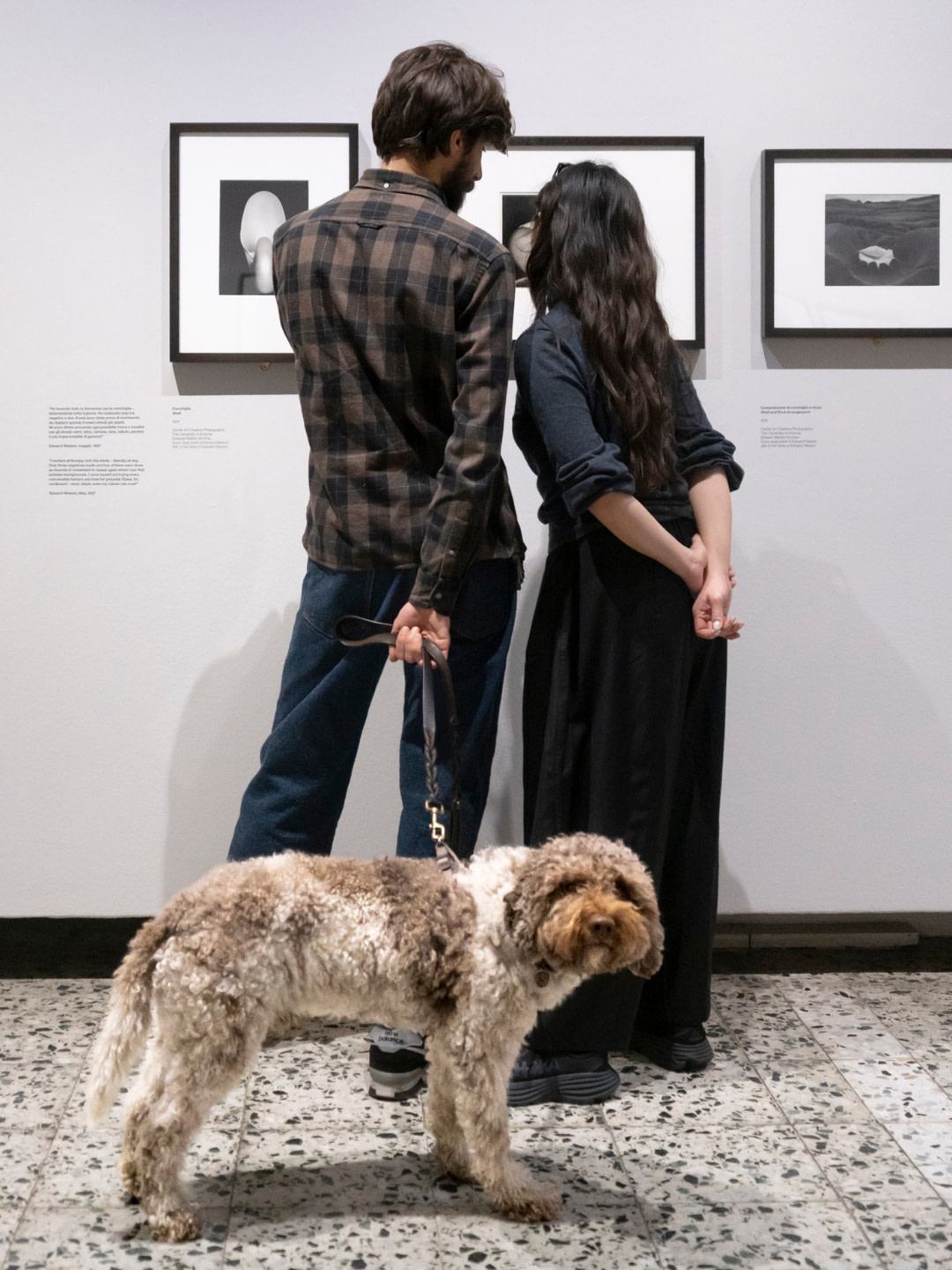
The exhibition Edward Weston. The Matter of Forms, curated by Sérgio Mah and organised in collaboration with Fundación MAPFRE, is on view until 2 June 2026 in the spaces of CAMERA – Centro Italiano per la Fotografia in Turin. After its stops in Madrid and Barcelona, the exhibition arrives in Italy for the first time with a core of 171 photographs, building a comprehensive retrospective dedicated to one of the key figures of modern American photography.
The exhibition traces over forty years of activity, from the early Pictorialist experiments of the early twentieth century to the later works of the 1940s, following the evolution of a gaze that gradually moves away from the atmospheric softness of his beginnings towards a more essential, sharp, and rigorous photography. A decisive turning point comes during his stays in Mexico in the 1920s, when Weston redefines his language, consolidating that exploration of form that becomes the core of his practice. Still lifes, nudes, shells, leaves, and natural details are reworked through the use of a large-format camera, which renders surfaces and volumes with almost absolute precision. In his images, detail no longer serves to describe the world, but to transform it: bodies often lose psychological identity, becoming rhythms of lines and contrasts of light and shadow, while everyday objects acquire a new presence.
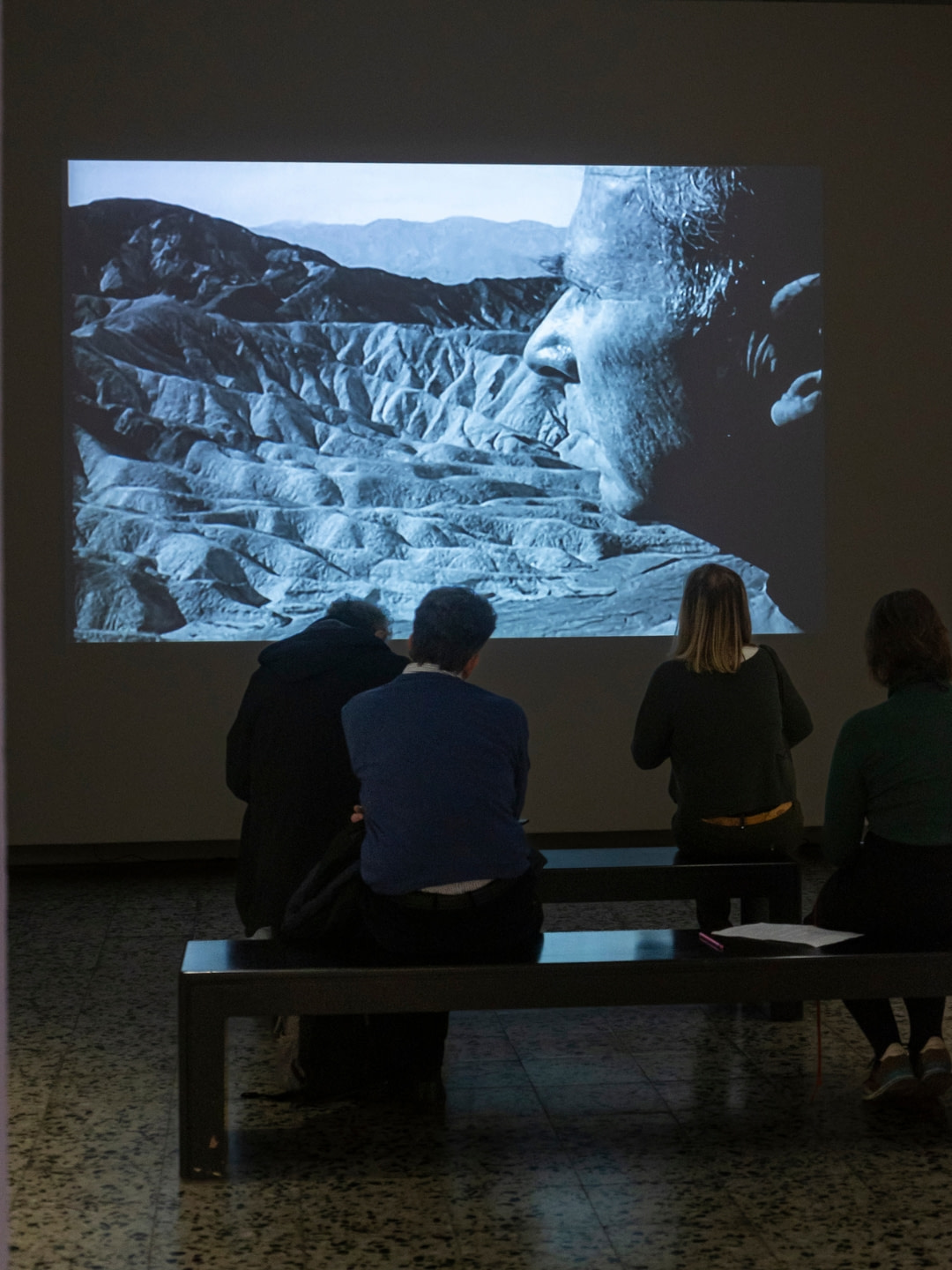
From this same tension also emerge the great landscapes of the American West, which the photographer turns to from the late 1920s onwards. Dunes, rocky coasts, and desert territories are photographed without any human presence, in images where light, horizon, and the morphology of the landscape take on an essential and contemplative dimension. In the 1940s, his gaze becomes more melancholic and disenchanted: abandoned buildings, cemeteries, and objects worn down by time introduce a more sombre reflection on American reality. The exhibition is further enriched by original publications by the artist and the 1948 short film The Photographer, which conveys the silent concentration of his working method.
– Text by Guia Agazzi