Torino Artscape is Artissima’s column highlighting current exhibitions in the city’s leading contemporary art institutions: a regular feature offering a glimpse into the most compelling exhibition programs, curatorial visions, and artistic expressions that animate Turin’s contemporary art scene. Torino Artscape invites you to explore Turin as an essential destination for art lovers, offering inspiration and cultural enrichment throughout the year.
This new episode is dedicated to Fondazione Merz.
GAZA, the future has an ancient heart. Materials and memories of the Mediterranean

Up to 27.09.2026
In the dim light of the opening night, a red neon cuts through the space of the Fondazione Merz, asserting itself as a suspended statement: “in this issue: statement concerning the institutional history of the museum”. Khalil Rabah’s intervention marks a threshold that is not only physical but conceptual, prompting a reflection on the role of the museum and on the mechanisms through which history is constructed.
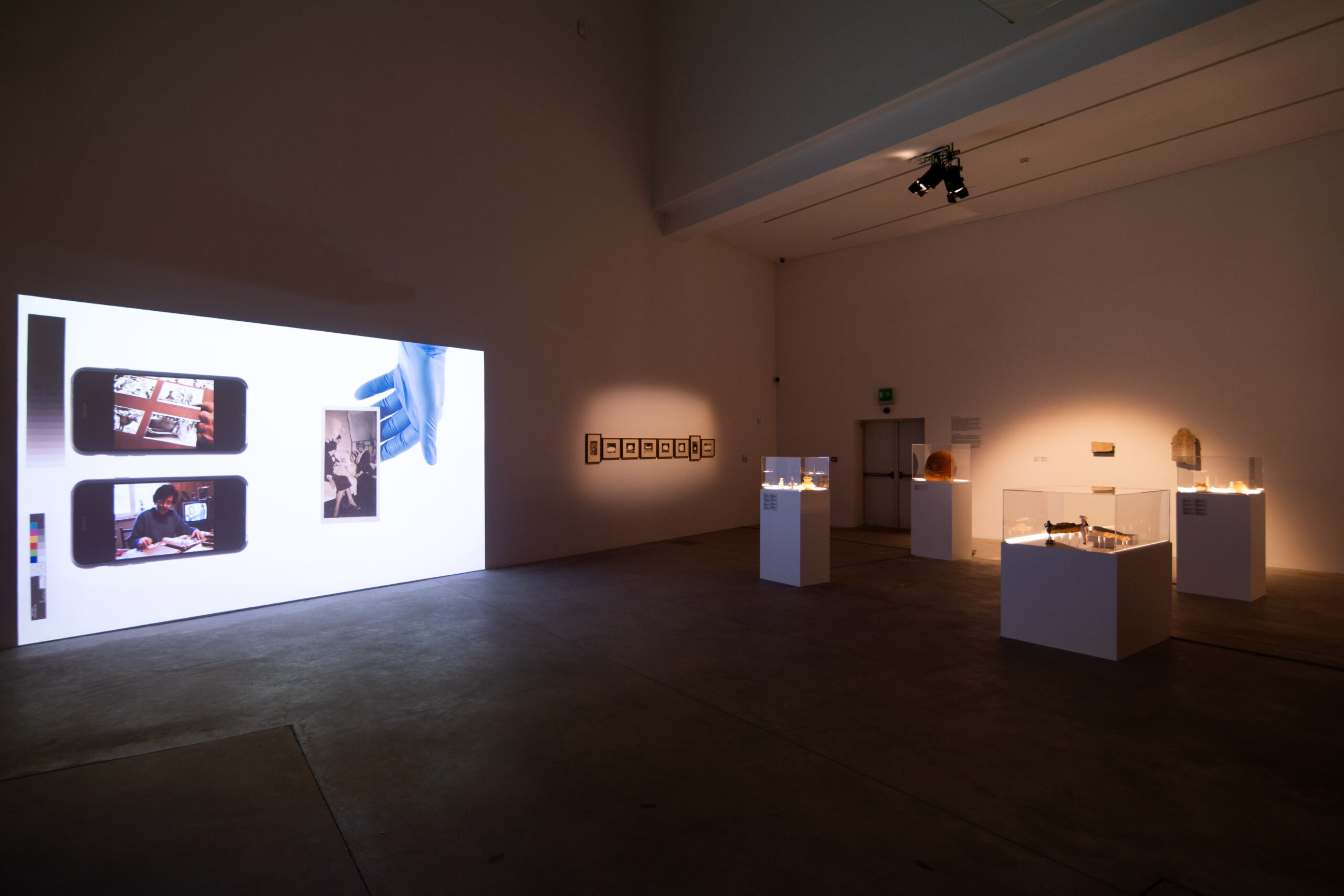
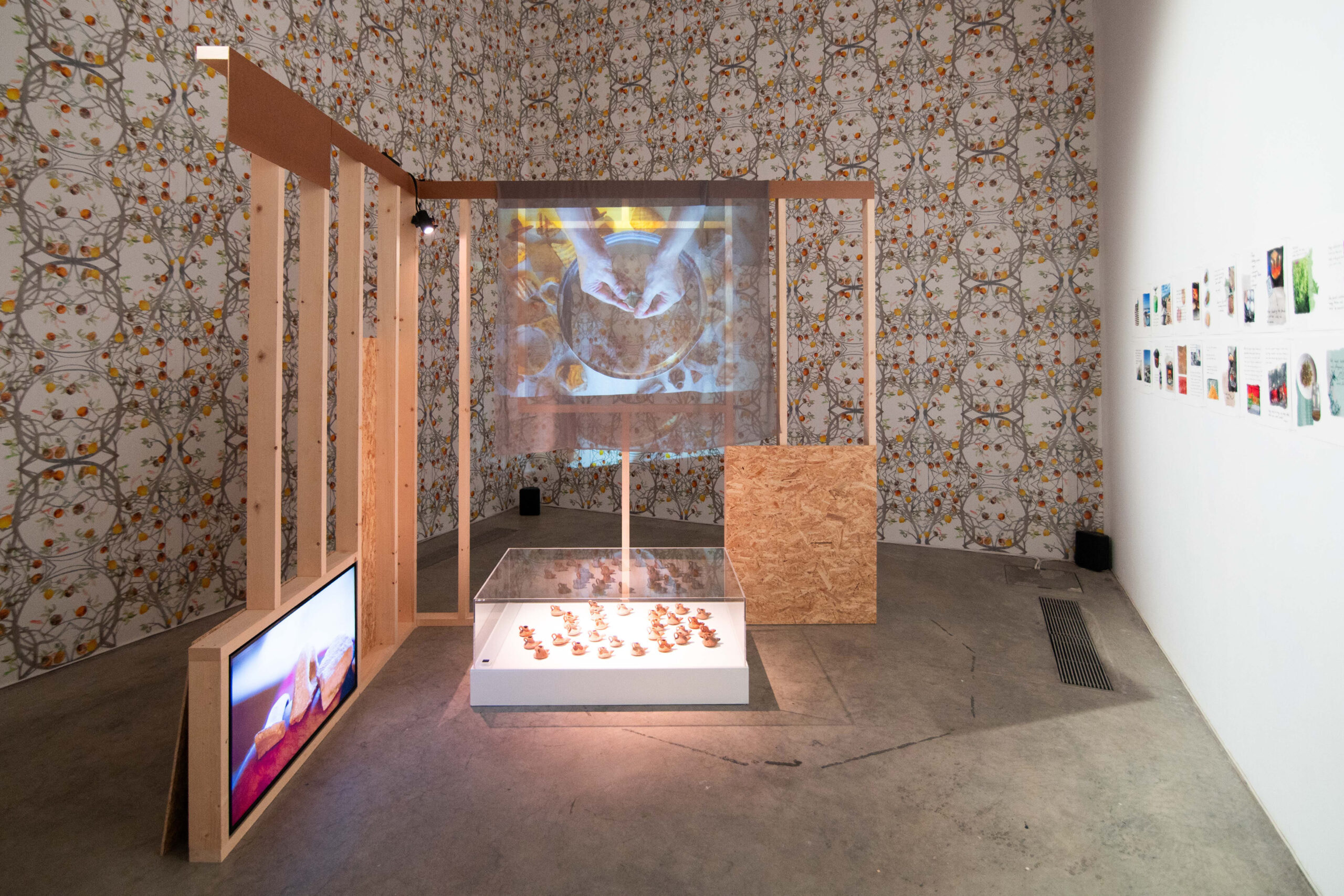
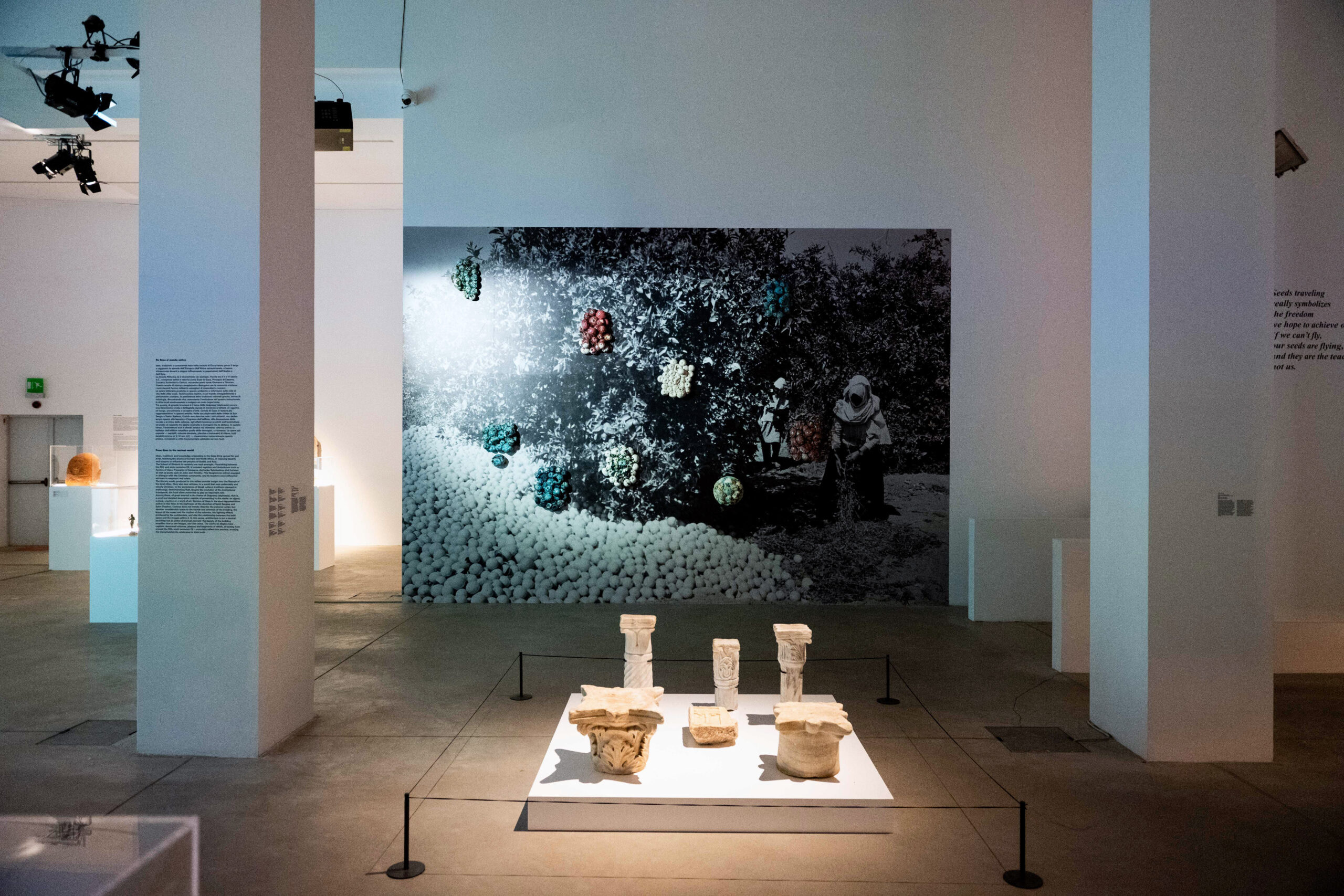
On view until 27 September 2026, “GAZA, the Future Has an Ancient Heart. Materials and Memories of the Mediterranean” — presented by Fondazione Merz in collaboration with the Museo Egizio di Torino and the MAH – Musée d’art et d’histoire di Ginevra — brings together a selection of around eighty archaeological artefacts and works by seven contemporary Palestinian and international artists. Rather than unfolding as a linear narrative, the exhibition operates as a space of tension, sidestepping any hierarchy between past and present to construct instead a field of resonances.
At its core lies the destruction of cultural heritage, understood not only as the material loss of sites, objects, and monuments, but as a rupture affecting the communities that once inhabited and gave meaning to them—often displaced or lost to war. In this light, Gaza appears not simply as an emblematic case, but as the point of departure for a broader reflection on collective responsibility toward memory.
The artefacts—traces of exchange, hybridisation, and continuity—convey the historical depth of a territory that for centuries functioned as a crossroads between Africa, Asia, and Europe, without ever settling into fixed testimony. In dialogue with contemporary works, they become unstable presences, opening up new readings. Heritage thus emerges not only as what remains, but as what can still be reworked, transmitted, and shared. Without yielding to a single narrative, the exhibition insists on a plural dimension in which temporalities and perspectives intertwine, allowing the complexity of a territory that resists simplification to surface.
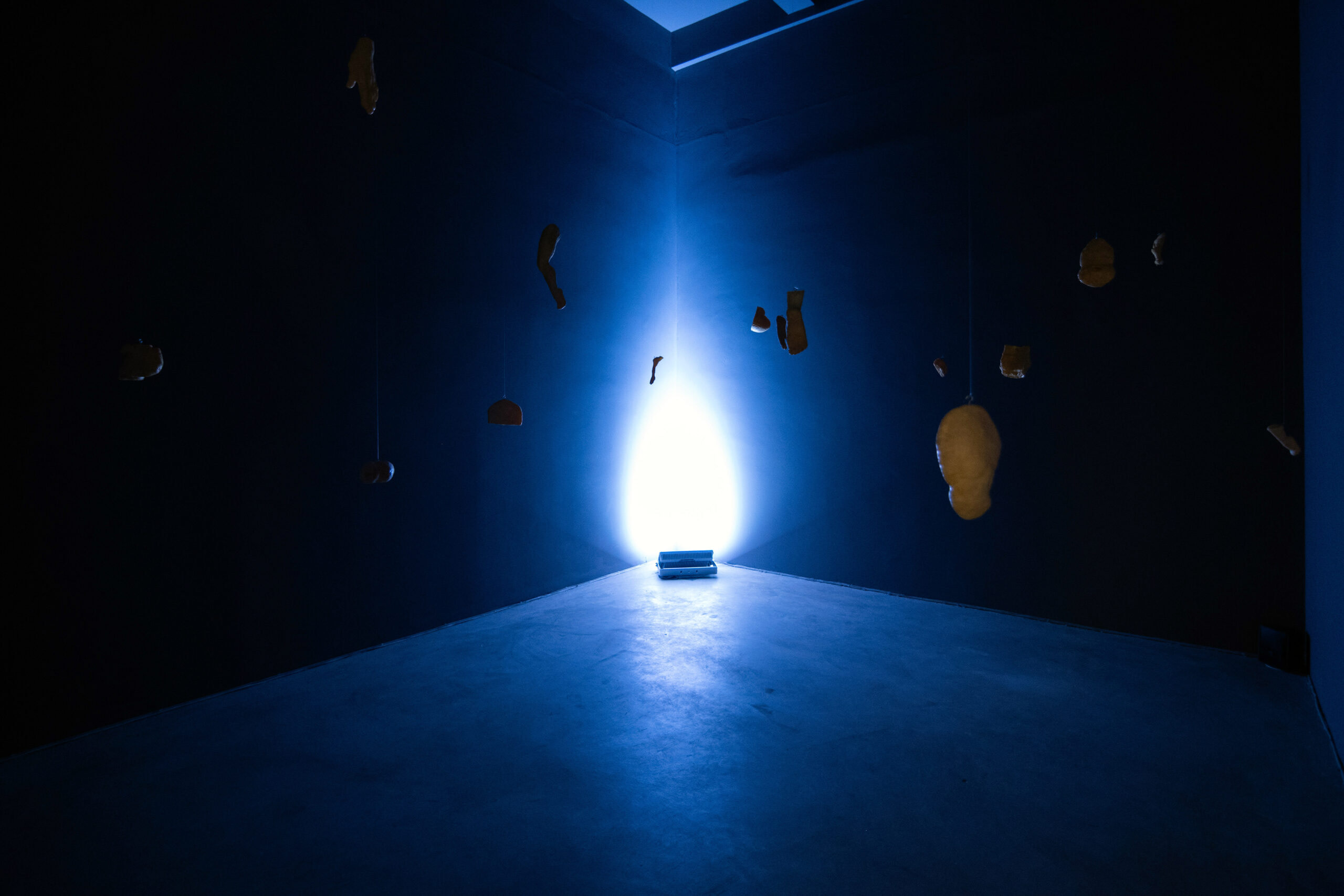
The exhibition closes in a quiet, suspended atmosphere: in Phantom Votives (2025) by Dima Srouji, fragments of bodies in beeswax hang in space like contemporary ex-votos. Wounds and prayers at once, entrusted to a fragile memory that offers no consolation, but asks the viewer to pause, to look, and to take part in an unfolding narrative.
– Text by Guia Agazzi